Joint and Other Damage From Gout

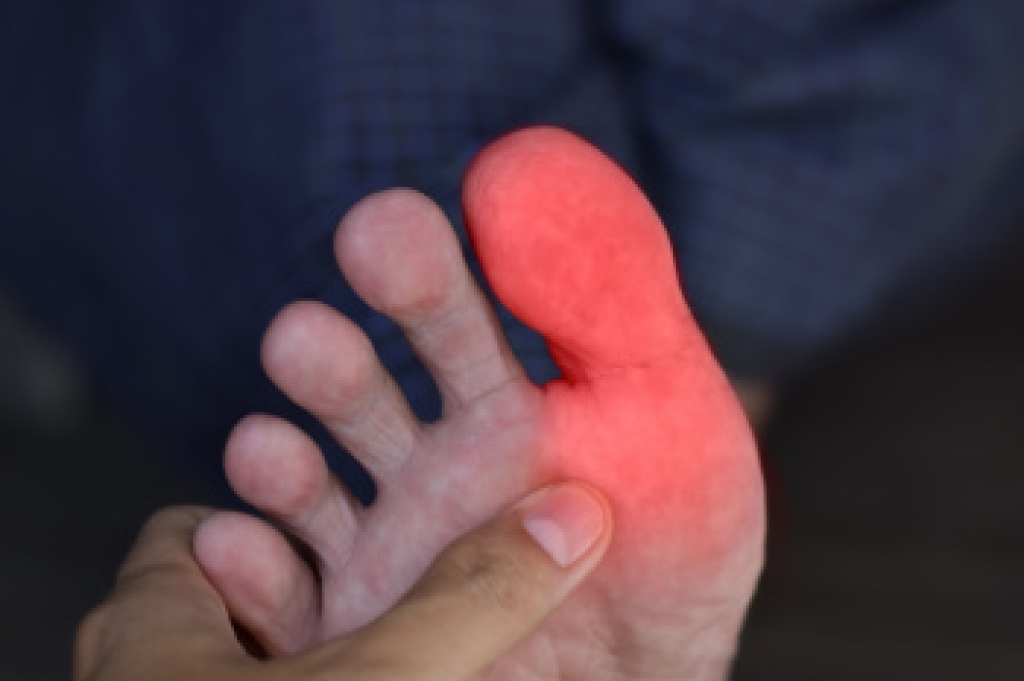
Gout is a form of inflammatory arthritis caused by the buildup of uric acid crystals in the joints, leading to sudden and severe pain, swelling, and redness, often affecting the big toe. Over time, repeated gout attacks can result in joint damage, deformity, and chronic arthritis. The accumulation of uric acid, a waste product normally excreted by the kidneys, can be attributed to various factors, including genetics and a diet that is high in purines found in red meat, seafood, and alcohol. Additionally, obesity, certain medications and underlying health conditions, such as hypertension and kidney disease, can contribute to developing gout. Lifestyle modifications consisting of maintaining a healthy weight, avoiding purine-rich foods, limiting alcohol consumption, and staying hydrated may help to reduce the risk of developing gout. Failure to manage gout effectively can lead to complications, such as tophi or lumps of uric acid crystals under the skin, kidney stones, and permanent joint damage. If you have gout, it is suggested that you seek medical attention from a podiatrist, adhere to treatments prescribed, and adopt a healthy lifestyle, which are important for preventing and managing gout effectively.

Gout is a foot condition that requires certain treatment and care. If you are seeking treatment, contact one of our podiatrists from ABC Podiatry. Our doctors will treat your foot and ankle needs.

What Is Gout?

Gout is a type of arthritis caused by a buildup of uric acid in the bloodstream. It often develops in the foot, especially the big toe area, although it can manifest in other parts of the body as well. Gout can make walking and standing very painful and is especially common in diabetics and the obese.

People typically get gout because of a poor diet. Genetic predisposition is also a factor. The children of parents who have had gout frequently have a chance of developing it themselves.

Gout can easily be identified by redness and inflammation of the big toe and the surrounding areas of the foot. Other symptoms include extreme fatigue, joint pain, and running high fevers. Sometimes corticosteroid drugs can be prescribed to treat gout, but the best way to combat this disease is to get more exercise and eat a better diet.

If you have any questions, please feel free to contact our office located in Columbus, OH . We offer the newest diagnostic and treatment technologies for all your foot care needs.
Read more about Everything You Need to Know About Gout

Treating Chronic Diabetic Foot Ulcers

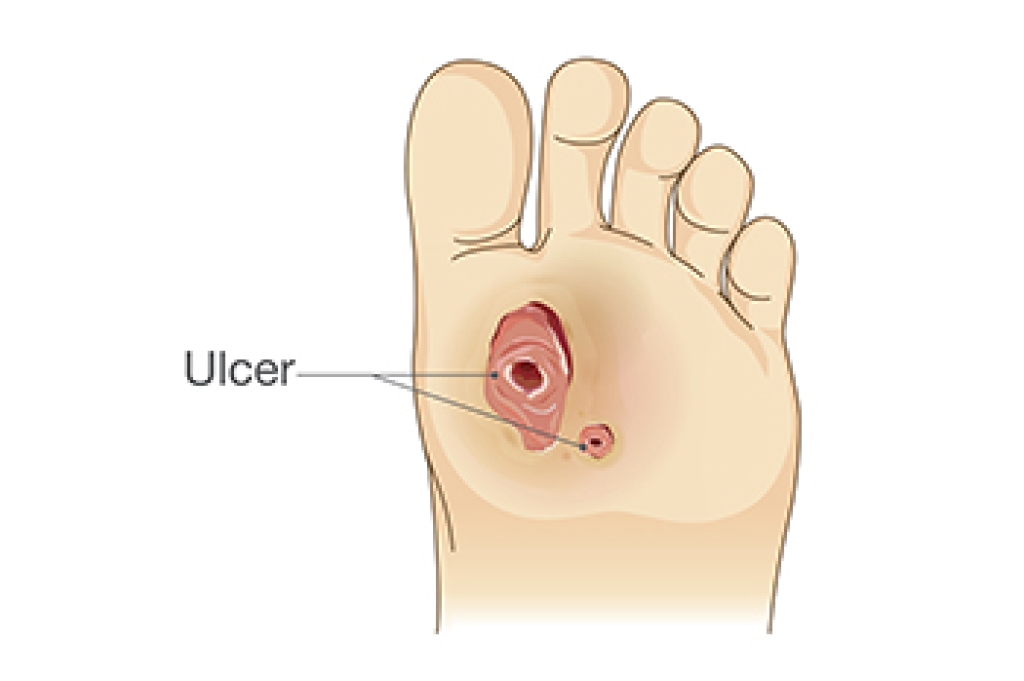
Chronic foot ulcers are a challenging complication of diabetes. Diabetic ulcers may arise from a variety of factors, including impaired blood circulation, nerve damage, and high blood sugar levels. These factors collectively compromise the body's ability to heal and fight infection. There are many therapies that podiatrists may use to combat foot ulcers, such as advanced wound care techniques, infection control measures, and strategies to enhance circulation. One key treatment is debridement, which involves the careful removal of dead or infected tissue to promote healing. A podiatrist may apply specialized dressings and topical agents that foster a moist healing environment and support tissue regeneration. Another treatment, called offloading, involves reducing pressure on the ulcer through custom footwear or casts. These are not the only treatments that podiatrists may employ. If you are suffering from chronic foot ulcers due to diabetes, it is suggested you schedule regular appointments with a podiatrist to monitor and treat the condition. 

Diabetic foot care is important in preventing foot ailments such as ulcers. If you are suffering from diabetes or have any other concerns about your feet, contact one of our podiatrists from ABC Podiatry. Our doctors can provide the care you need to keep you pain-free and on your feet.

Diabetic Foot Care

Diabetes affects millions of people every year. The condition can damage blood vessels in many parts of the body, especially the feet. Because of this, taking care of your feet is essential if you have diabetes, and having a podiatrist help monitor your foot health is highly recommended.

The Importance of Caring for Your Feet

  • Routinely inspect your feet for bruises or sores.
  • Wear socks that fit your feet comfortably.
  • Wear comfortable shoes that provide adequate support.

Patients with diabetes should have their doctor monitor their blood levels, as blood sugar levels play such a huge role in diabetic care. Monitoring these levels on a regular basis is highly advised.

It is always best to inform your healthcare professional of any concerns you may have regarding your feet, especially for diabetic patients. Early treatment and routine foot examinations are keys to maintaining proper health, especially because severe complications can arise if proper treatment is not applied.

If you have any questions, please feel free to contact our office located in Columbus, OH . We offer the newest diagnostic and treatment technologies for all your foot care needs.

Read more about How to Care for Diabetic Foot

The Mysteries of Orthotics

Patients often rely on podiatrists to understand how orthotics alleviate pain and prevent injuries. Determining the right orthotic type demands expertise in biomechanics, gait analysis, and understanding the patient's specific condition. Orthotics function by providing support, cushioning, and realignment to the feet, thereby correcting biomechanical abnormalities or imbalances. They distribute pressure evenly, reducing stress on vulnerable areas and promoting proper foot function. By stabilizing the foot and ankle, orthotics can correct issues such as overpronation or supination, which can lead to various foot and lower limb problems if left untreated. Additionally, orthotics can help improve posture and alleviate discomfort in other parts of the body, such as the knees, hips, and lower back. Podiatrists assess patients comprehensively to determine the most suitable orthotic design, material, and level of support to address their specific needs and enhance overall foot health and function. If you have chronic foot pain, it is suggested that you make an appointment with a podiatrist to determine if orthotics can help you.

If you are having discomfort in your feet and would like to try orthotics, contact one of our podiatrists from ABC Podiatry. Our doctors can provide the care you need to keep you pain-free and on your feet.

What Are Orthotics?

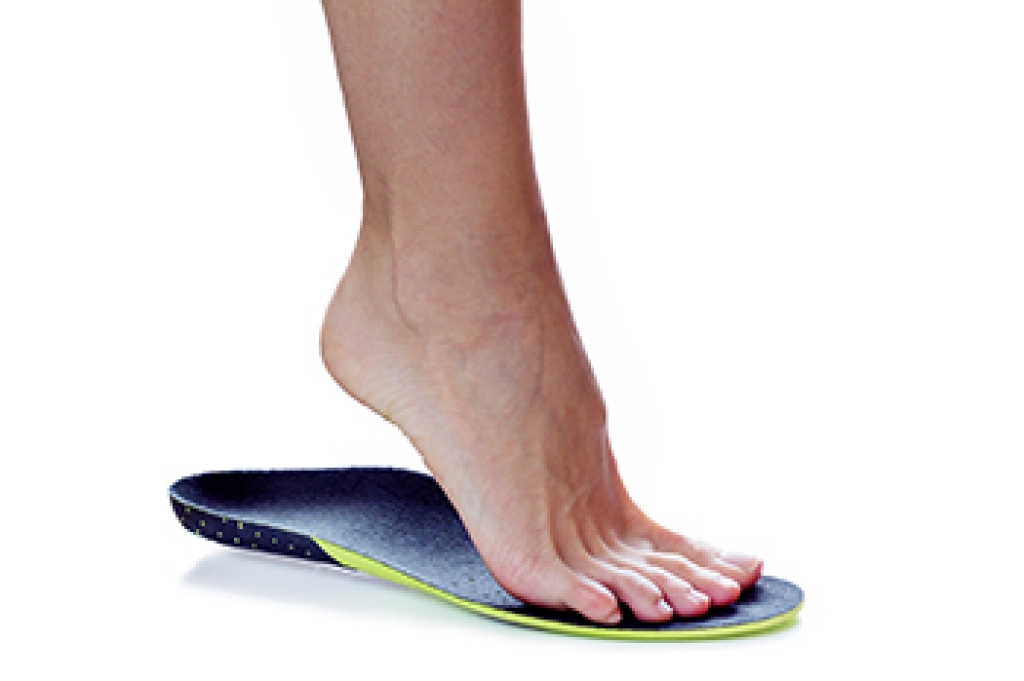
Orthotics are inserts you can place into your shoes to help with a variety of foot problems such as flat feet or foot pain. Orthotics provide relief and comfort for minor foot and heel pain but can’t correct serious biomechanical problems in your feet.

Over-the-Counter Inserts

Orthotics come in a wide variety of over-the-counter inserts that are used to treat foot pain, heel pain, and minor problems. For example, arch supports can be inserted into your shoes to help correct overarched or flat feet, while gel insoles are often used because they provide comfort and relief from foot and heel pain by alleviating pressure.

Prescription Orthotics

If over-the-counter inserts don’t work for you or if you have a more severe foot concern, it is possible to have your podiatrist prescribe custom orthotics. These high-quality inserts are designed to treat problems such as abnormal motion, plantar fasciitis, and severe forms of heel pain. They can even be used to help patients suffering from diabetes by treating foot ulcers and painful calluses and are usually molded to your feet individually, which allows them to provide full support and comfort.

If you are experiencing minor to severe foot or heel pain, it’s recommended to speak with your podiatrist about the possibilities of using orthotics. A podiatrist can determine which type of orthotic is right for you and allow you to take the first steps towards being pain-free.

If you have any questions please contact our office located in Columbus, OH . We offer the newest diagnostic and treatment technologies for all your foot and ankle needs.

Read more about Ankle Foot Orthotics for Athletes

Plantar Warts Can Be Treated!

Plantar warts are small growths that develop on parts of the feet that bear weight. They're typically found on the bottom of the foot. Don't live with plantar warts, and call us today!

Possible Causes of Painful Toes

Toe health can be connected to overall well-being. Despite this significance, feet are generally not given enough attention. Toe and toenail changes that may signal underlying health issues can include concave toenails, which can indicate anemia or autoimmune disorders, and tingling or numbness, which could be suggestive of diabetes-related neuropathy. Other potential toe issues, such as dark vertical bands or spots, washed out nails, painful and inflamed toe joints, clubbed toes, and cold or blue toes, can each potentially be indicative of different health concerns ranging from melanoma to heart disease. If you have painful toes or notice something not quite right about these appendages, it is suggested that you schedule an appointment with a podiatrist for a proper diagnosis and treatment.

Toe pain can disrupt your daily activities. If you have any concerns, contact one of our podiatrists of ABC Podiatry. Our doctors can provide the care you need to keep you pain-free and on your feet.

What Causes Toe Pain?

Most severe toe pain is caused due to a sports injury, trauma from dropping something heavy on the toe, or bumping into something rigid. Other problems can develop over time for various reasons.

Toe pain can be caused by one or more ailments. The most common include:

  • Trauma
  • Sports injury
  • Wearing shoes that are too tight
  • Arthritis
  • Gout
  • Corns and calluses
  • Hammertoe
  • Bunions
  • Blisters
  • Ingrown toenails
  • Sprains
  • Fractures (broken bones)
  • Dislocations

When to See a Podiatrist

  • Severe pain
  • Persistent pain that lasts more than a week
  • Signs of infection
  • Continued swelling
  • Pain that prevents walking

Diagnosis

In many cases the cause of toe pain is obvious, but in others, a podiatrist may want to use more advanced methods to determine the problem. These can range from simple visual inspections and sensation tests to X-rays and MRI scans. Prior medical history, family medical history, and any recent physical traumatic events will all be taken into consideration for a proper diagnosis.

Treatment

Treatments for toe pain and injuries vary and may include shoe inserts, padding, taping, medicines, injections, and in some cases, surgery. If you believe that you have broken a toe, please see a podiatrist as soon as possible.

If you have any questions please feel free to contact our office located in Columbus, OH . We offer the newest diagnostic tools and technology to treat your foot and ankle needs.

Read more about Toe Pain

Foot Dystonia

Dystonia is a neurological disorder causing involuntary muscle contractions and repetitive movements. When it affects the feet, it can lead to abnormal postures, twisting, and repetitive movements that affect mobility and balance. Foot dystonia can manifest as toe curling, arch cramping, or uncontrollable foot movements. These symptoms can cause discomfort, pain, and difficulty walking or standing. Additionally, foot dystonia may result in deformities, such as claw toes or high arches, over time. Treatment typically involves a combination of therapies, including medications, injections, and sometimes surgical interventions. If you or your child has unusual symptoms to do with movement of the feet, it is strongly suggested that you schedule an appointment with a podiatrist for an evaluation and diagnosis. Regular monitoring and adjustments to treatment plans may be necessary to address changes in symptoms and optimize outcomes.

Some foot conditions may require additional professional care. If you have any concerns, contact one of our podiatrists of ABC Podiatry. Our doctors can provide the care you need to keep you pain-free and on your feet.

Rare Foot Conditions

The majority of foot conditions are common and can be treated by a podiatrist.  Standard diagnostic procedures are generally used to identify specific conditions and treatment can be rendered. A podiatrist also treats rare foot conditions which can be difficult to diagnose and may need extra attention and care. 

There are many rare foot conditions that can affect children. Some of these can include:

  • Freiberg’s disease
  • Kohler’s disease
  • Maffucci syndrome

Freiberg’s disease - This can be seen as a deterioration and flattening of a metatarsal bone that exists in the ball of the foot. It typically affects pre-teen and teenage girls, but can affect anyone at any age. Symptoms that can accompany this can be swelling, stiffness, and the patient may limp. 

Kohler’s disease - This often targets the bone in the arch of the foot and affects younger boys. It can lead to an interruption of the blood supply which ultimately can lead to bone deterioration. The patient may limp or experience tenderness, swelling, and redness.

Maffucci syndrome - This affects the long bones in a child’s foot leading to the development of abnormal bone lesions. They are benign growths and typically develop in early childhood and the bones may be susceptible to breaking. 

A podiatrist can properly diagnose and treat all types of rare foot conditions. If your child is affected by any of these symptoms or conditions, please don’t hesitate to call our office so the correct treatment method can begin.

If you have any questions please feel free to contact our office located in Columbus, OH . We offer the newest diagnostic tools and technology to treat your foot and ankle needs.
 

Read more about Rare Foot Conditions

Why Plantar Warts Come Back and How to Stop Them

It can be frustrating to manage plantar warts that return after treatment. Plantar warts are a common foot condition that develop when the human papillomavirus, or HPV, infects the bottom of the foot. Plantar warts can come back because HPV can remain dormant in the skin even after visible warts are treated, making it possible for new warts to develop in the same spot or nearby. The skin tissue may also hold small, undetectable warts or viral particles in surrounding skin tissue, leading to more warts in the future. Additionally, a weakened immune system, exposure to HPV in communal areas, such as locker rooms or swimming pools, or incomplete removal of the wart during treatment can lead to recurrent plantar warts. To prevent plantar warts from coming back, it is suggested that you consult a podiatrist who can offer various treatments for the warts and minimize the chance of recurrence.

Plantar warts can be very uncomfortable. If you need your feet checked, contact one of our podiatrists from ABC Podiatry. Our doctors will assist you with all of your foot and ankle needs.

About Plantar Warts

Plantar warts are the result of HPV, or human papillomavirus, getting into open wounds on the feet. They are mostly found on the heels or balls of the feet.

While plantar warts are generally harmless, those experiencing excessive pain or those suffering from diabetes or a compromised immune system require immediate medical care. Plantar warts are easily diagnosed, usually through scraping off a bit of rough skin or by getting a biopsy.

Symptoms

  • Lesions on the bottom of your feet, usually rough and grainy
  • Hard or thick callused spots
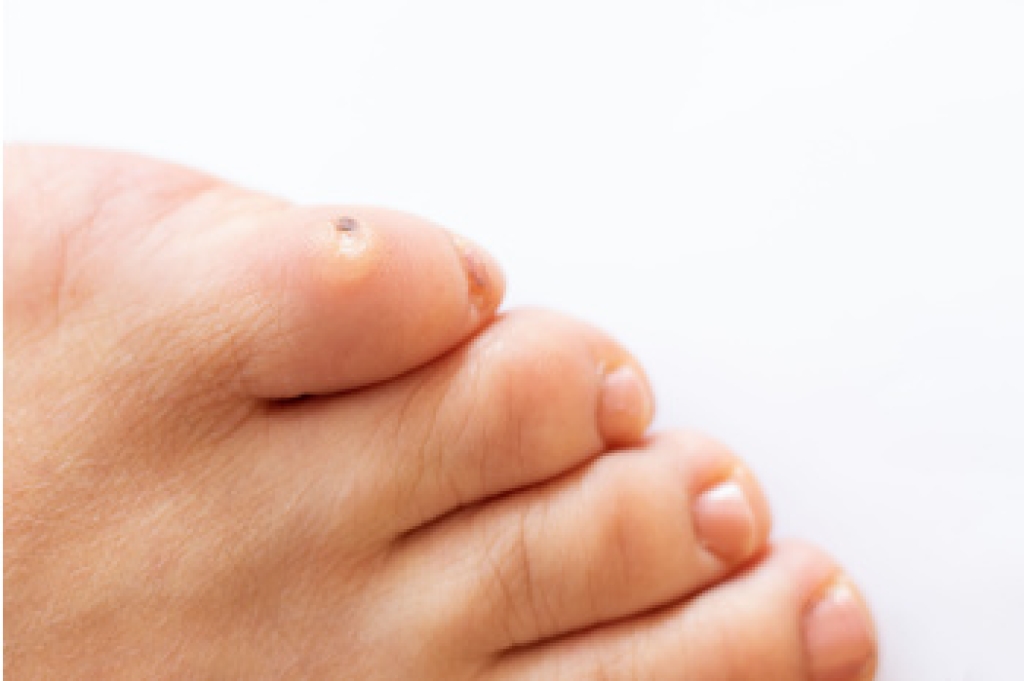
  • Wart seeds, which are small clotted blood vessels that look like little black spots
  • Pain, discomfort, or tenderness of your feet when walking or standing

Treatment

  • Freezing
  • Electric tool removal
  • Laser Treatment
  • Topical Creams (prescription only)
  • Over-the-counter medications

To help prevent developing plantar warts, avoid walking barefoot over abrasive surfaces that can cause cuts or wounds for HPV to get into. Avoiding direct contact with other warts, as well as not picking or rubbing existing warts, can help prevent the further spread of plantar warts. However, if you think you have developed plantar warts, speak to your podiatrist. He or she can diagnose the warts on your feet and recommend the appropriate treatment options.

If you have any questions please feel free to contact our office located in Columbus, OH . We offer the newest diagnostic and treatment technologies for all your foot and ankle needs.

Read more about Plantar Warts

Types of Foot Corns

Corns on the feet are thick, hardened skin bumps that typically form on bony areas, such as on the top or sides of the toes, due to friction and pressure. The three types of corns are hard corns on toe tops, soft corns between toes, and seed corns on the soles of the feet. Foot corns develop due to wearing ill-fitted shoes, either too tight or too loose, causing rubbing and pressure. Improperly fitting socks or not wearing any socks can also lead to friction. Individuals with conditions like arthritis, bunions, or hammertoes are at higher risk. Preventing foot corns involves wearing well-fitting, comfortable shoes, avoiding high heels or pointy-toed shoes, and using corn pads for added protection. Moisture-wicking socks may help to reduce friction. If you have foot corns that are causing you discomfort or showing signs of infection, it is suggested that you consult a podiatrist for an examination and proper treatment or removal.

Corns can make walking very painful and should be treated immediately. If you have questions regarding your feet and ankles, contact one of our podiatrists of ABC Podiatry. Our doctors will treat your foot and ankle needs.

Corns: What Are They? And How Do You Get Rid of Them?
Corns are thickened areas on the skin that can become painful. They are caused by excessive pressure and friction on the skin. Corns press into the deeper layers of the skin and are usually round in shape.

Ways to Prevent Corns
There are many ways to get rid of painful corns such as:

  • Wearing properly fitting shoes that have been measured by a professional
  • Wearing shoes that are not sharply pointed or have high heels
  • Wearing only shoes that offer support

Treating Corns

Although most corns slowly disappear when the friction or pressure stops, this isn’t always the case. Consult with your podiatrist to determine the best treatment option for your case of corns.

If you have any questions please feel free to contact our office located in Columbus, OH . We offer the newest diagnostic and treatment technologies for all your foot and ankle needs.

Read more about Corns and Calluses

Gout Pain Can Be Managed

Gout is a painful, inflammatory form of arthritis. Those affected will typically feel an intense stiffness in the joints of their feet, particularly in the big toe. Schedule a visit to learn about how gout can be managed and treated.

The Anatomy of a Foot Stress Fracture

A foot stress fracture is a common injury resulting from repetitive strain and overuse of the bones in the foot. Unlike acute fractures caused by sudden trauma, stress fractures develop gradually due to the cumulative effect of repetitive stress on the bones, often stemming from activities like running, jumping, or prolonged standing. These microcracks typically occur in weight-bearing bones, such as the metatarsals, and can lead to localized pain, swelling, and tenderness. Foot stress fractures are particularly prevalent among athletes and individuals engaged in high-impact activities. Recognizing the symptoms, which may mimic other foot conditions, is essential for an accurate diagnosis and timely intervention. Rest, along with wearing proper footwear and a gradual return to activity, forms the cornerstone of treatment. If you have endured a foot stress fracture, it is suggested that you consult a podiatrist who can confirm the diagnosis and offer the treatment method that is best for you.

Activities where too much pressure is put on the feet can cause stress fractures. To learn more, contact one of our podiatrists from ABC Podiatry. Our doctors can provide the care you need to keep your pain free and on your feet.

Dealing with Stress Fractures of the Foot and Ankle

Stress fractures occur in the foot and ankle when muscles in these areas weaken from too much or too little use.  The feet and ankles then lose support when walking or running from the impact of the ground. Since there is no protection, the bones receive the full impact of each step. Stress on the feet can cause cracks to form in the bones, thus creating stress fractures.

What Are Stress Fractures?

Stress fractures occur frequently in individuals whose daily activities cause great impact on the feet and ankles. Stress factors are most common among:

  • Runners                                
  • People affected with Osteoporosis
  • Tennis or basketball players
  • Gymnasts
  • High impact workouts

Symptoms

Pain from the fractures occur in the area of the fractures and can be constant or intermittent. It will often cause sharp or dull pain with swelling and tenderness. Engaging in any kind of activity which involves high impact will aggravate pain.

If you have any questions please contact our office located in Columbus, OH . We offer the newest diagnostic and treatment technologies for all your foot and ankle needs.

Read more about Dealing with Stress Fractures of the Foot and Ankle

Connect With Us