
Do you suffer from heel pain when you get up in the morning? If so, you should seek professional help and have a proper diagnosis performed. Heel pain can be caused by several different foot-related conditions.
Do you suffer from heel pain when you get up in the morning? If so, you should seek professional help and have a proper diagnosis performed. Heel pain can be caused by several different foot-related conditions.

As people age, the Achilles tendon naturally changes. This strong band of tissue connects the calf muscles to the heel bone and helps make walking, climbing stairs, and standing on tiptoe possible. Research shows that aging reduces the tendon's ability to handle repeated stress. Its fibers become less organized, blood flow decreases, and the tendon becomes less flexible. These changes increase the risk of pain, small tears, and complete ruptures. Age-related changes can also slow the body's natural healing process after an injury. While active adults can develop Achilles tendon problems, the risk becomes greater with advancing age because the tendon does not repair itself as efficiently. Pain and stiffness near the back of the heel can make daily activities more difficult and limit mobility.
Patients with age-related Achilles tendon problems can notice pain while walking, swelling, and tenderness above the heel. Some people also feel stiffness after resting or have difficulty pushing off the ground when taking a step. A podiatrist begins with a thorough examination to determine the cause of the pain and evaluate how well the tendon is working. Imaging studies, like ultrasound or MRI scans, can provide a clearer view of tendon damage when necessary. Early diagnosis helps identify whether the problem involves inflammation, small tears, or more advanced wear within the tendon. Understanding the condition allows the podiatrist to develop a treatment plan that matches the patient's symptoms and activity level.
A podiatrist offers several treatment options that focus on reducing pain, improving movement, and supporting tendon function. Treatment includes custom orthotics, stretching programs supervised by the provider, and advanced therapies that encourage healing. Patients also receive guidance about wearing shoes that provide proper support to reduce unnecessary strain on the tendon while walking. When tendon damage is severe and other treatments do not provide enough relief, surgery can become the best option to restore function. Addressing Achilles tendon problems early helps protect mobility and supports long-term foot and ankle health. If you have symptoms of age-related Achilles tendon problems, it is suggested that you make an appointment with a chiropractor for diagnosis and treatment.
Achilles tendon injuries need immediate attention to avoid future complications. If you have any concerns, contact one of our podiatrists of ABC Podiatry. Our doctors can provide the care you need to keep you pain-free and on your feet.
What Is the Achilles Tendon?
The Achilles tendon is a tendon that connects the lower leg muscles and calf to the heel of the foot. It is the strongest tendon in the human body and is essential for making movement possible. Because this tendon is such an integral part of the body, any injuries to it can create immense difficulties and should immediately be presented to a doctor.
What Are the Symptoms of an Achilles Tendon Injury?
There are various types of injuries that can affect the Achilles tendon. The two most common injuries are Achilles tendinitis and ruptures of the tendon.
Achilles Tendinitis Symptoms
Rupture Symptoms
Treatment and Prevention
Achilles tendon injuries are diagnosed by a thorough physical evaluation, which can include an MRI. Treatment involves rest, physical therapy, and in some cases, surgery. However, various preventative measures can be taken to avoid these injuries, such as:
If you have any questions please feel free to contact our office located in Columbus, OH . We offer the newest diagnostic tools and technology to treat your foot and ankle needs.

Kohler disease is a rare childhood foot condition that affects one of the small bones in the middle of the foot, known as the navicular bone. It most often develops in children between the ages of 4 and 7, especially boys, although girls can also be affected. The condition occurs when the blood supply to the bone is temporarily reduced, causing the bone to become irritated before it gradually heals. Children with Kohler disease may begin limping or avoid putting weight on the affected foot because of discomfort. Since many childhood foot problems produce similar symptoms, a professional evaluation is important for an accurate diagnosis. Early assessment can also help rule out fractures, infections, or other conditions that may require different treatment.
Symptoms of Kohler disease usually involve pain along the inner part of the foot where the affected bone is located. Many children experience tenderness, swelling, or discomfort while walking. Others may avoid running or playing, because activity increases pain. In some cases, a child may begin walking on the outside of the foot to reduce pressure on the painful area. Symptoms often develop gradually and may be mistaken for a minor injury at first. Prompt evaluation is important because persistent foot pain in children should never be ignored. Identifying the cause early helps guide appropriate treatment and supports healthy foot development.
A podiatrist specializes in diagnosing and treating both common and rare foot conditions, including Kohler disease. During an examination, the podiatrist reviews symptoms, evaluates the child's foot, and may recommend imaging studies to confirm the diagnosis. Treatment focuses on relieving discomfort, protecting the affected bone, and monitoring healing as the foot develops. Regular follow-up visits also help ensure the condition is improving and that normal foot function is returning. If your child is experiencing foot pain, limping, or swelling that may be related to Kohler disease, it is suggested that you consult a podiatrist for an evaluation and appropriate treatment options.
Some foot conditions may require additional professional care. If you have any concerns, contact one of our podiatrists of ABC Podiatry. Our doctors can provide the care you need to keep you pain-free and on your feet.
Rare Foot Conditions
The majority of foot conditions are common and can be treated by a podiatrist. Standard diagnostic procedures are generally used to identify specific conditions and treatment can be rendered. A podiatrist also treats rare foot conditions which can be difficult to diagnose and may need extra attention and care.
There are many rare foot conditions that can affect children. Some of these can include:
Freiberg’s disease - This can be seen as a deterioration and flattening of a metatarsal bone that exists in the ball of the foot. It typically affects pre-teen and teenage girls, but can affect anyone at any age. Symptoms that can accompany this can be swelling, stiffness, and the patient may limp.
Kohler’s disease - This often targets the bone in the arch of the foot and affects younger boys. It can lead to an interruption of the blood supply which ultimately can lead to bone deterioration. The patient may limp or experience tenderness, swelling, and redness.
Maffucci syndrome - This affects the long bones in a child’s foot leading to the development of abnormal bone lesions. They are benign growths and typically develop in early childhood and the bones may be susceptible to breaking.
A podiatrist can properly diagnose and treat all types of rare foot conditions. If your child is affected by any of these symptoms or conditions, please don’t hesitate to call our office so the correct treatment method can begin.
If you have any questions, please feel free to contact our office located in Columbus, OH . We offer the newest diagnostic and treatment technologies for all your foot care needs.
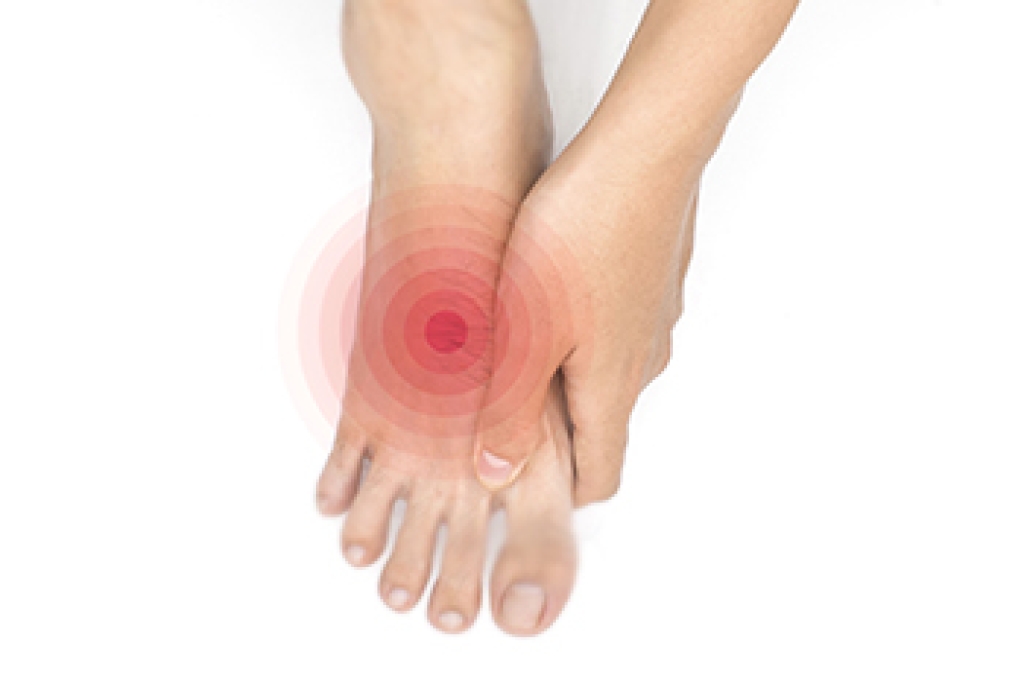
Foot pain from diabetes is a common and serious condition that develops when prolonged high blood sugar damages nerves and blood vessels. This condition is known as diabetic neuropathy and often affects the feet first, due to their distance from the heart and reduced circulation. Over time, nerve damage disrupts normal sensation, making it difficult to feel temperature changes, pressure, or even injuries. Many individuals describe this pain as burning, tingling, or sharp discomfort. The condition may begin subtly, but can progress into persistent pain that interferes with daily activities. Early recognition is essential to prevent complications such as ulcers or infections.
Symptoms of diabetic foot pain often include numbness, tingling sensations, and heightened sensitivity. Some individuals experience a pins and needles feeling, while others report a complete loss of sensation. A hallmark sign is increasing pain during the night, which can disrupt sleep and reduce quality of life. In more advanced cases, muscle weakness or changes in foot shape may develop. Since sensation is reduced, minor cuts or blisters may go unnoticed and worsen, over time. This makes routine foot checks an important part of daily care for anyone managing diabetes.
Several risk factors contribute to the development of diabetic neuropathy. Poor blood sugar control is the most significant factor, as elevated glucose levels damage nerve fibers over time. Additional risks include long duration of diabetes, smoking, obesity, and poor circulation. Causes of foot pain in diabetes are directly tied to nerve damage and reduced blood flow, which limits the body’s ability to heal. Without proper care, this can lead to chronic wounds or infections that require advanced medical attention. Understanding these risks helps patients take proactive steps toward prevention.
Managing diabetic foot pain begins with maintaining stable blood sugar levels through diet, exercise, and medication. Wearing supportive footwear, inspecting feet daily, and keeping skin moisturized can also help prevent complications. Regular visits with a podiatrist ensure early detection of any developing issues. If you have developed diabetic foot pain, it is strongly suggested that you are under the care of a podiatrist who can help you to manage this serious condition.
Foot Pain
Foot pain can be extremely painful and debilitating. If you have a foot pain, consult with one of our podiatrists from ABC Podiatry. Our doctors will assess your condition and provide you with quality foot and ankle treatment.
Causes
Foot pain is a very broad condition that could be caused by one or more ailments. The most common include:
Diagnosis
To figure out the cause of foot pain, podiatrists utilize several different methods. This can range from simple visual inspections and sensation tests to X-rays and MRI scans. Prior medical history, family medical history, and any recent physical traumatic events will all be taken into consideration for a proper diagnosis.
Treatment
Treatment depends upon the cause of the foot pain. Whether it is resting, staying off the foot, or having surgery; podiatrists have a number of treatment options available for foot pain.
If you have any questions, please feel free to contact our office located in Columbus, OH . We offer the newest diagnostic and treatment technologies for all your foot care needs.
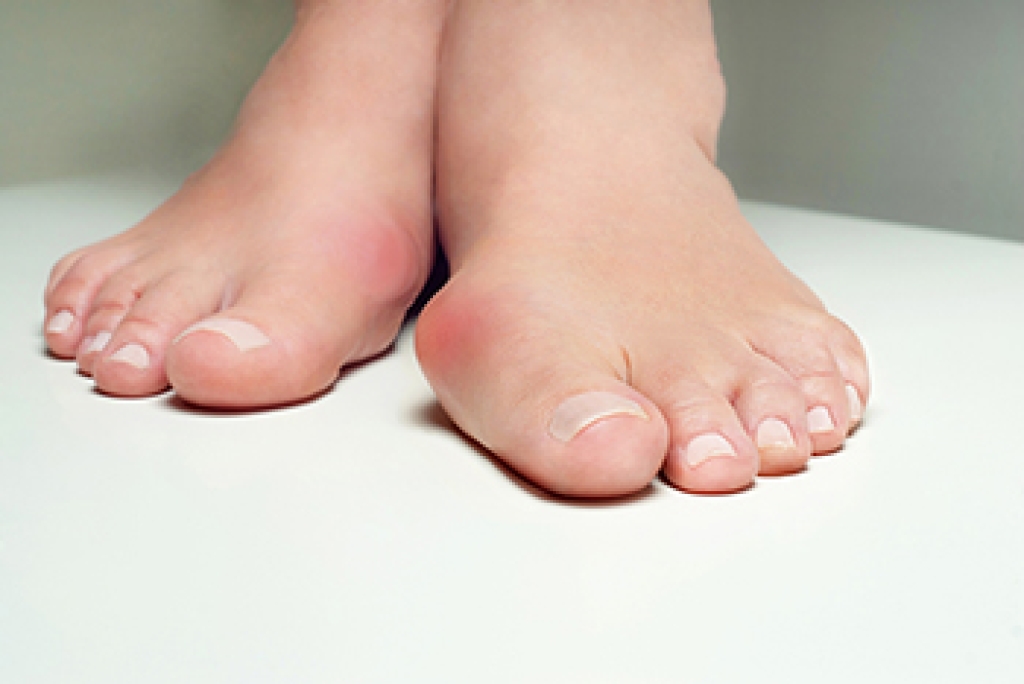
Bunions are a progressive foot deformity defined as a bony enlargement at the base of the big toe joint. This condition develops when the big toe gradually shifts toward the second toe, causing the joint to protrude outward. The misalignment places stress on surrounding tissues, leading to inflammation, discomfort, and changes in foot structure. Bunions can worsen over time, especially when contributing factors are not addressed early.
Common symptoms of bunions include swelling, redness, and joint stiffness at the base of the big toe. Pain often increases with walking, standing, or wearing tight fitting shoes. The skin over the bunion may become irritated due to friction, and the joint may feel tender or warm. As the condition progresses, individuals may notice difficulty with shoe fit, decreased range of motion, and changes in walking patterns.
Several causes and risk factors contribute to bunion formation. Genetics plays a key role, as inherited foot structure can predispose individuals to joint instability. Footwear is another major factor, especially shoes with a narrow toe box or high heels that place excessive pressure on the forefoot. Additional risk factors include flat feet, ligament laxity, and repetitive stress from prolonged standing or walking.
A bunion corrector is a supportive device designed to help improve toe alignment and reduce pressure on the affected joint. It works by gently guiding the big toe into a more natural position while providing cushioning and stability. Although it does not reverse the deformity, it can relieve discomfort and slow progression when used consistently. Benefits include reduced friction, improved comfort, and better foot positioning during daily activities. If you have bunions and want information about bunion correctors, it is suggested that you consult a podiatrist who can determine if this form of treatment is right for you.
If you are suffering from bunion pain, contact one of our podiatrists of ABC Podiatry. Our doctors can provide the care you need to keep you pain-free and on your feet.
What Is a Bunion?
Bunions are painful bony bumps that usually develop on the inside of the foot at the joint of the big toe. As the deformity increases over time, it may become painful to walk and wear shoes. Women are more likely to exacerbate existing bunions since they often wear tight, narrow shoes that shift their toes together. Bunion pain can be relieved by wearing wider shoes with enough room for the toes.
Causes
Symptoms
In order to diagnose your bunion, your podiatrist may ask about your medical history, symptoms, and general health. Your doctor might also order an x-ray to take a closer look at your feet. Nonsurgical treatment options include orthotics, padding, icing, changes in footwear, and medication. If nonsurgical treatments don’t alleviate your bunion pain, surgery may be necessary.
If you have any questions, please feel free to contact our office located in Columbus, OH . We offer the newest diagnostic and treatment technologies for all your foot care needs.
Connect With Us


